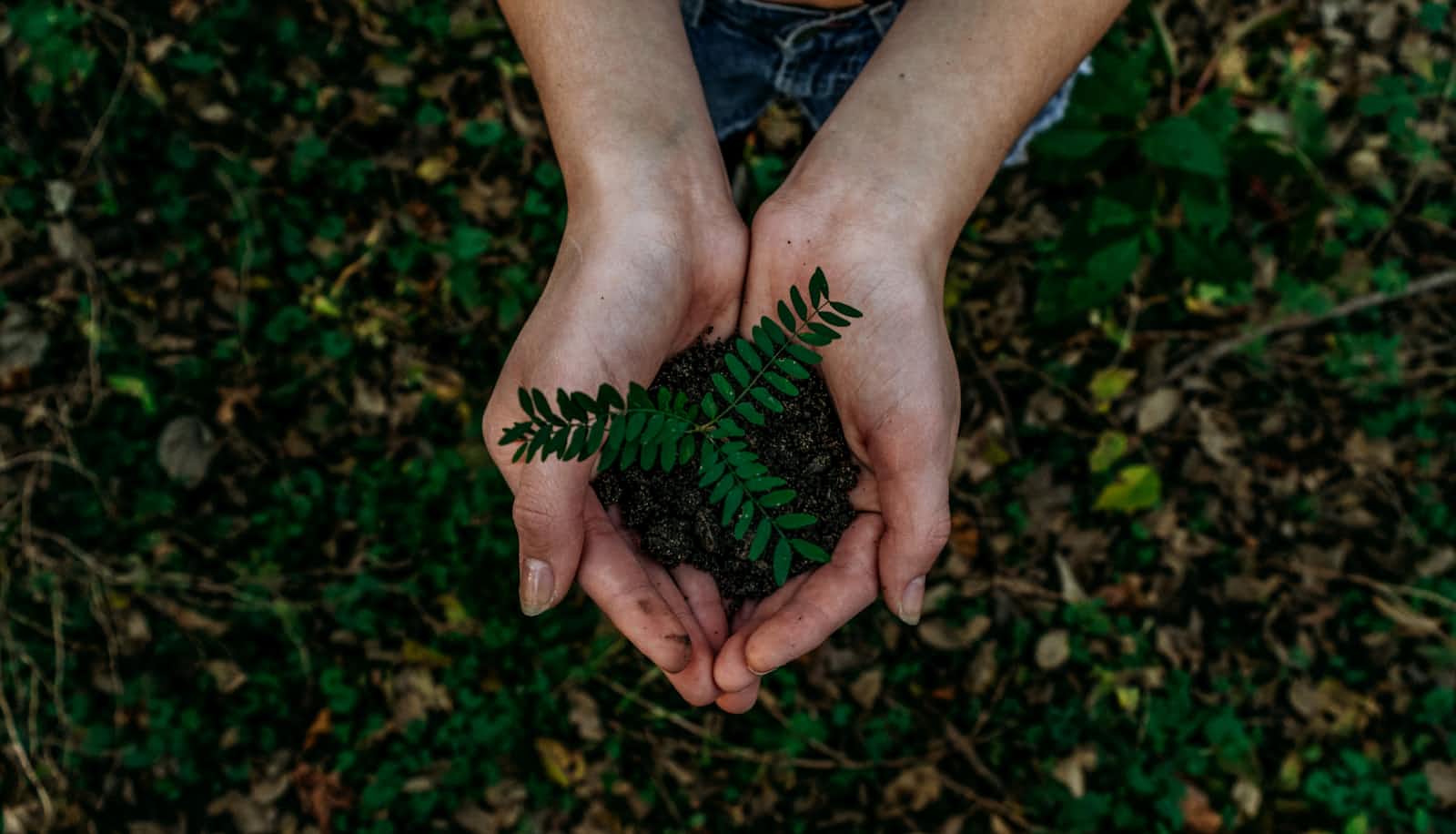
A Beginner's Guide to Zero Waste Living: Small Steps, Big Impact
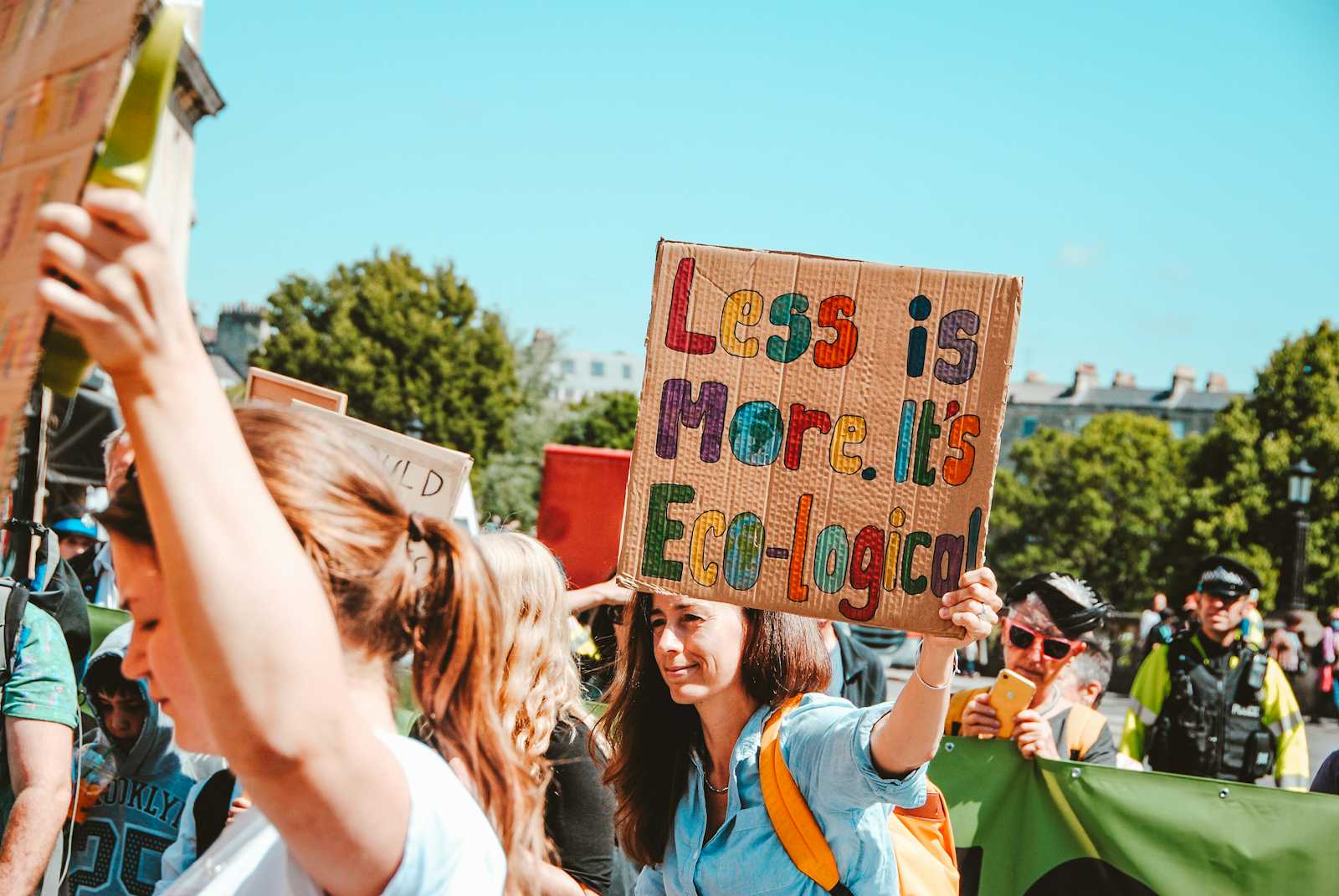
In a world grappling with environmental challenges, the zero waste movement emerges as a beacon of hope, offering a practical pathway towards sustainability. At its heart, zero waste living is about rethinking our consumption habits, minimizing waste generation, and nurturing a more harmonious relationship with our planet. If you're intrigued by the idea of reducing your ecological footprint and contributing to a cleaner, greener future, then welcome aboard the zero waste journey.
Embracing zero waste
Embarking on a zero waste lifestyle is not about perfection; it's about progress. Celebrate the small victories along the way and recognize that every conscious choice you make has a positive impact on the planet. As you navigate this journey, remember that sustainability is a collective effort, and together, we have the power to create meaningful change. So, dare to dream of a world where waste is minimized, resources are cherished, and the beauty of our planet is preserved for generations to come. Welcome to the zero waste community; let's make a difference, one mindful choice at a time.
Understanding zero waste
At its core, zero waste is about redefining our relationship with consumption and waste. Zero waste isn’t just about producing zero trash; it’s a holistic approach that encompasses mindful consumption, resource conservation, and waste reduction. By refusing unnecessary items, reducing what we consume, reusing what we already have, recycling what we can't refuse, reduce, or reuse, and composting organic waste, we can significantly decrease the amount of trash that ends up in landfills. The key principles of zero waste living can be summarized in the 5 R’s:
Refuse: Say no to single-use plastics, unnecessary packaging and disposable items. By refusing what we don’t need, we can prevent waste before it’s even created.
Reduce: Simplify your life by cutting back on consumption. Ask yourself if you truly need something before making a purchase, and opt for quality over quantity.
Reuse: Embrace reusable alternatives whenever possible. Invest in durable items like stainless steel water bottles, glass containers, and cloth shopping bags that can be used repeatedly.
Recycle: Properly recycle materials that can't be refused, reduced, or reused. Familiarize yourself with your local recycling guidelines and make sure to recycle responsibly.
Rot(compost): Compost organic waste such as food scraps, yard trimmings, and paper products. Composting not only reduces landfill waste but also produces nutrient-rich soil for gardens.
The benefits of zero waste
Embracing a zero waste lifestyle offers numerous benefits, both for individuals and the planet as a whole. By reducing our reliance on single-use plastics and disposable products, we can cut down on pollution, conserve energy and resources, and minimize our contribution to climate change. Additionally, zero waste living often leads to healthier, more mindful consumption habits, fostering a deeper appreciation for the things we do have rather than constantly chasing after the next new thing. Practical steps towards Zero Waste Transitioning to a zero waste lifestyle is a journey that unfolds gradually, and it's important to be patient with yourself along the way. Here are some practical steps to help you get started:
Assess your waste: Start by taking stock of your current waste habits. Where is most of your waste coming from? Are there particular areas of your life where you could cut back or make more sustainable choices?
Set goals: Define clear, achievable goals for reducing your waste. Whether it's committing to produce less trash each week or eliminating single-use plastics from your daily routine, having specific targets will help keep you motivated.
Swap single-use for reusable: Replace disposable items with reusable alternatives. Invest in reusable shopping bags, water bottles, coffee cups, and food containers to minimize waste.
Shop mindfully: Choose products with minimal packaging, buy in bulk to reduce packaging waste, and support local farmer’s markets and companies that prioritize sustainability.
DIY and upcycling: Get creative in the kitchen by making your own cleaning products, personal care items, and home decor. Upcycle old clothing and household items into new creations rather than discarding them.
Meal planning and food preservation: Plan meals to minimize food waste, and store leftovers in reusable containers. Explore food preservation techniques like canning, freezing, and fermenting to extend the shelf life of perishable items.
Compost: Set up a composting system for your food scraps and yard waste. Composting not only diverts organic matter from landfills but also produces nutrient-rich soil for your garden or houseplant.
Educate and inspire: Share your zero waste journey with others and inspire them to join the movement. Whether it's through social media, blogging, or organizing community events, raising awareness about the importance of waste reduction can have a ripple effect far beyond your own efforts.

Conclusion
Embracing a zero waste lifestyle is not about striving for perfection but rather making conscious choices to reduce our impact on the planet. By taking small steps towards producing less waste and living more sustainably, we can all play a part in creating a healthier, more environmentally-friendly world for future generations. So let's commit to reducing, reusing, and reimagining our relationship with waste, one mindful choice at a time.